
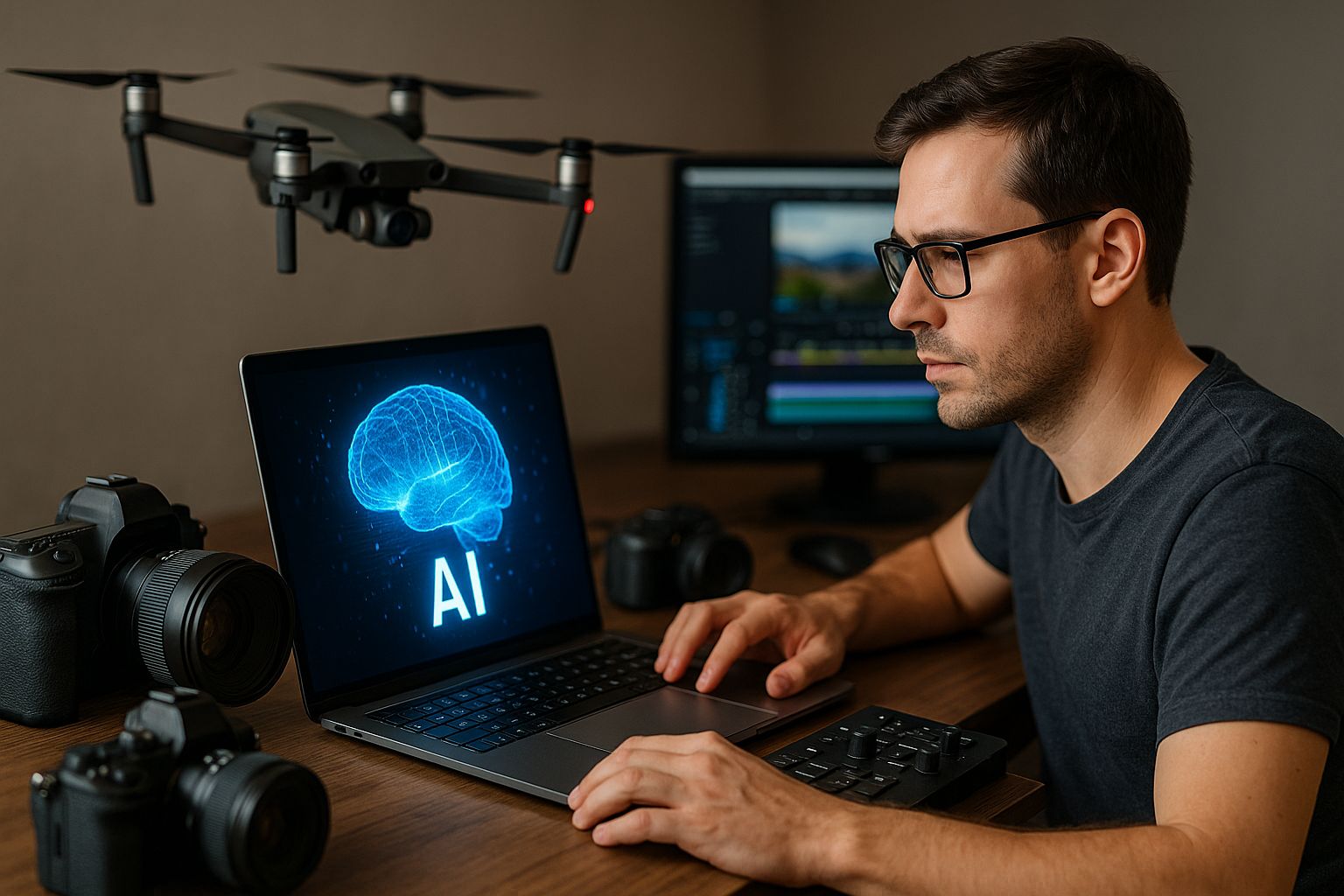
The integration of AI into photography and videography is reshaping creative processes. Embracing this technology not only enhances creativity but also offers solutions to improve efficiency, engagement, and reach. This discussion delves into understanding AI’s role in this dynamic field and how creatives can adapt to thrive amidst rapid advancements.
Understanding AI’s Role
Artificial intelligence is reshaping the landscape of photography and videography. It streamlines tasks that once consumed valuable time, allowing creators to focus on their artistic vision. For instance, image recognition technologies identify subjects, making organization effortless and boosting workflow efficiency. AI algorithms can automatically enhance images, adjusting lighting, colors, and sharpness to achieve stunning results that align with creative intent.
Furthermore, in video production, AI aids in editing by automating scene selection through facial recognition. This capability minimizes tedious manual edits and accelerates the production timeline. Imagine crafting a narrative without being bogged down by technicalities!
AI also sparks creativity by suggesting unique compositions or styles tailored to the creator’s previous work. Embracing these tools can unleash hidden potential, enabling artists to explore new avenues of innovation. For deeper insight into this evolution, visit The Rise of Generative AI.
Benefits of AI Integration
Integrating AI into creative workflows brings remarkable benefits that can streamline processes and elevate the quality of output. One standout advantage is the significant boost in editing speeds. Automated tools can quickly analyze images and apply essential adjustments, allowing creators to focus more on storytelling and less on tedious tasks.
Enhanced image quality is another significant benefit. AI algorithms can refine details, adjust colors, and even recover lost nuances in images. This level of enhancement often surpasses traditional editing techniques, resulting in a polished final product.
AI also empowers creators to tailor content specifically for their audiences. By analyzing viewer preferences and engagement trends, artists can produce personalized content that resonates deeply. This targeted approach not only fosters stronger connections but also increases the likelihood of audience retention. Embracing AI, therefore, is not just about technology; it’s about enhancing the art of photography and videography in profound ways. For more on the significance of technology in enhancing creative processes, check out this blog post.
Case Studies of Success
Case studies abound, illustrating the successful integration of AI in photography and videography. One photographer faced considerable time constraints while striving for efficiency. By using AI for image classification, they streamlined their workflow, allowing quicker sorting of hundreds of photos. The key was identifying which images met client preferences, an adjustment that improved turnaround times significantly.
In another instance, a videographer struggled with lengthy editing sessions. They leveraged AI-driven editing software to automate color grading and audio balancing. This innovation reduced their editing time by half, permitting more time for creative exploration. Both professionals encountered initial resistance from traditional approaches, yet patience and experimentation led to remarkable improvements in efficiency and output quality, exemplifying how embracing AI can transform workflows. For further insights into how to adapt your strategies effectively, check out this article.
AI Tools to Consider
Artificial Intelligence is transforming photography and videography. A variety of AI tools await discovery, each designed to enhance creativity and streamline workflows. Think of image enhancers—these tools can instantly improve lighting, color balance, and sharpness. Imagine reducing hours spent on tedious edits.
Then consider AI-driven organization tools. They categorize your vast media libraries with minimal input, making retrieval effortless. You’ll find features like automated tagging pivotal for staying organized.
Some platforms offer predictive analytics, suggesting the most effective styles for your content based on audience engagement patterns. This helps guide your artistic decisions and optimize project outcomes.
And let’s not forget editing software that employs machine learning to deliver superior results faster. It frees you to focus on creativity rather than repetitive tasks. Curious about some of these techniques? Learn more about effective strategies for mastering new tools.
Adapting to AI Technologies
Adapting to AI technologies requires proactive strategies. Photographers and videographers must embrace skill development. Start with foundational AI concepts to understand its capabilities. Participate in online workshops or local meetups. Networking with peers fosters shared learning.
A growth mindset is essential. View AI not as a competitor but as a tool enhancing creativity. Celebrate small victories. Each adaptation opens new avenues for exploration. Embrace failures as learning opportunities, fueling determination.
Continuous learning is non-negotiable. Engage with the latest research, trends, and technologies. Allocate time for regular skill enhancement. Follow thought leaders in the AI photography and videography space. Consistently seek feedback from peers and audiences alike; this rich insight can guide your progression.
For more insights on leveraging technology to accelerate growth, check out business opportunities with AI technologies.
Creative Collaboration with AI
Creative collaboration between artists and AI opens up endless possibilities. Instead of viewing machines as competitors, consider them partners. This relationship can enhance artistic creativity and productivity.
Imagine using AI to manage tedious tasks, giving artists more time to focus on their unique visions. AI can analyze trends and preferences in real-time, providing artists with insights that inspire new concepts. This collaborative approach can lead to innovative storytelling, blending data-driven insights with human emotion and creativity.
Many artists are already experimenting with AI in their workflows. By combining traditional techniques with AI tools, they create immersive experiences that captivate audiences. Letting technology handle repetitive processes allows artists to push boundaries in visual storytelling.
Would you like to learn more about how to effectively use AI in your creative journey? Check out business opportunities with AI.
Ethical Considerations
Ethical dilemmas accompany the integration of AI in creative fields like photography and videography. Authenticity becomes a pressing concern. When AI can replicate styles or even generate images, questioning the originality of an artist’s work is unavoidable. This unclear boundary complicates the appreciation of real talent versus machine-generated pieces.
Copyright issues also arise. Who owns the content created with AI? Should it be the programmer, the user, or the platform? This ambiguity can lead to disputes that stifle creativity rather than encourage it.
Finally, consider the displacement of artists. As AI tools become more capable, traditional artists might face challenges in finding work. While technology can enhance creativity, it’s crucial to ensure that human contributions remain valued. Balancing innovation with ethical considerations is essential for a healthier creative landscape. For further insights into the shifting nature of digital art, visit this article.
Future Trends in AI and Creative Media
Future trends in AI are set to revolutionize photography and videography in ways previously unimaginable. Consider the leaps in machine learning that enhance image recognition. This allows for more intuitive editing processes, transforming raw footage into polished masterpieces almost effortlessly. Creative professionals will harness these capabilities to enhance their storytelling, keeping more focus on vision rather than the technical grind.
Augmented reality is another game-changer. Imagine overlaying digital elements seamlessly onto your captured scenes, engaging viewers in entirely new ways. This will redefine how narratives are constructed, allowing creators to provide immersive experiences that captivate audiences.
Generative design will also emerge as a powerful tool, enabling unique and customizable creative outputs. Expect AI systems to not only assist but conceptualize entire scenes based on minimal input, pushing the boundaries of artistic expression. For a deeper dive into the evolving landscape of digital media, visit The Rise of Generative AI.
Building a Sustainable Digital Presence
Creatives can establish a sustainable digital presence by leveraging AI tools for marketing and content strategy. Start by understanding your audience. Use AI analytics to gather insights on their preferences and behaviors. This data can inform your content creation, ensuring relevance and engagement.
SEO optimization is crucial. AI can assist in identifying high-traffic keywords and trends. By incorporating these keywords naturally into your content, you improve your visibility on search engines. Consider creating quality backlinks through collaborations or guest posts to enhance authority.
Consistency in posting is vital. AI scheduling tools can help automate your content release, making sure you’re present even when busy. Engage with your audience through comments and social media, using AI chatbots for quick responses. This interaction strengthens community ties and encourages loyalty. For a deeper dive into digital marketing, check out this resource.
Starting the Conversation
Reflecting on your current creative processes is essential. Think about how you’ve integrated AI into your photography and videography work. Are you utilizing tools that enhance your workflow or improve your creative output? This self-reflection can lead to innovative ideas that push your craft forward.
Start by jotting down specific ways AI has influenced your projects. Are you using AI for editing, organizing, or even shooting? Discuss these findings with fellow creatives. Engaging in conversation is a great way to exchange ideas and discover new possibilities.
Encourage peers to experiment with their own AI applications in photography and videography. Share resources and experiences. This collaborative spirit will fuel your creative community. Remember, adopting new technologies requires openness. For personalized guidance, consider exploring the free consultation option available at Momentier. You might just uncover a transformative approach to your next project!
Conclusion
Embracing AI in photography and videography represents an exciting opportunity to enhance creative capabilities and operational efficiency. By grasping the benefits of these technologies, creatives can navigate the evolving landscape effectively. Engaging with AI not only fosters innovation but ensures ongoing success in a competitive environment.



Comments are closed.