
The conventional belief that nonfiction is superior can often shape our reading choices. However, one unexpected book opened my eyes to the profound impact of fiction on understanding the human experience. This exploration delves into how this transformative reading experience altered my perspective and encouraged a more balanced literary diet.
The Nonfiction Mindset
Many readers, myself included, gravitate toward nonfiction for its perceived value. We believe that gaining factual knowledge enhances our understanding of the world. The thrill of learning fosters a sense of growth and self-improvement. Each page holds potential lessons.
This nonfiction mindset shaped my reading habits, leading me to immerse myself in history, science, and personal development. Those tomes felt like blueprints for life. However, this narrow lens imposed limitations. I often overlooked the emotional and imaginative depths found in fiction. It was as if I wandered a well-lit corridor while neglecting the hidden chambers of creativity and emotion.
Caught in the trap of being educationally ambitious, I failed to recognize the stories that connect us as humans. For a broader understanding, it’s valuable to explore both the logical and the creative. After all, learning also involves empathy and experiencing life through others’ eyes. For more insights into mastering reading techniques, you can check this article.
Encountering Fiction
The moment I picked up that captivating book, I felt a stir of excitement. It was a fictional narrative rather than the usual nonfiction tome I clung to. The premise was simple yet profound: a journey of self-discovery through unexpected encounters. As I delved into the pages, I was enveloped by vivid characters whose lives danced to the rhythm of their own choices.
I remember flipping the pages hungrily, my heart racing with every twist and turn. Although I’m accustomed to the structured, factual prose of nonfiction, this story drew me in with its emotive language. Each sentence felt like an invitation to feel, to reflect. I found myself considering themes I rarely accessed in my nonfiction readings.
The book was a doorway to a world where imagination reigns free. It was here I realized that fiction could evoke emotions and create connections that mere facts often cannot. This pivotal moment marked the beginning of a delightful shift in my reading habits. For deeper insights into this idea, visit Mastering Reading Techniques.
First Impressions of Fiction
The first moments I slipped into a fiction book felt like stepping into a vivid dream. Each page turned revealed layers of emotions I hadn’t felt in ages. The characters were not just figments of imagination; they echoed real human experiences—love, loss, and hope. These stories presented much more than the straightforward facts I was used to in nonfiction.
Fiction delved into complex themes, weaving metaphors that struck a chord deep within. The subtle tones of irony or the beauty of a well-constructed narrative added depths to the reading experience, evoking emotions rather than just transmitting information. I was surprised by how a mere story could capture the intricacies of life, reflecting my thoughts and feelings back at me.
This emotional resonance offered a contrast to the clarity and logic often found in nonfiction. It wasn’t just about what happened; it was also about how those events made us feel. This captivating world piqued my curiosity further into storytelling’s profound impact on understanding humanity, connecting beautifully with the lessons I was beginning to understand.
Lessons from Fiction
Fiction teaches us more than we might expect. Through rich narratives, we explore human emotions in depth. Every character presents a facet of our condition, revealing fears, desires, and vulnerabilities. The moral dilemmas faced by these characters often mirror our own lives, prompting us to question right from wrong.
For example, a story about a character’s struggle with honesty can resonate during times of personal conflict. These tales push us to reflect on our own decisions and the consequences they bring. By stepping into a different cultural perspective, fiction broadens our understanding of the human experience. We see the world through unfamiliar eyes, challenging our preconceptions.
The Balance of Genres
Fiction and nonfiction often exist in their silos, but they really should be best friends in your reading journey. Each genre has unique strengths that enrich the other, creating a balanced reading diet. Nonfiction provides facts, research, and clarity, while fiction opens the door to imagination and emotional understanding.
When we dive into fiction, we step into diverse narratives, experiencing life through various lenses. This exploration fosters empathy and broadens our mental horizons. Meanwhile, nonfiction grounds us in reality, equipping us with knowledge and critical thinking skills.
Reading both genres helps bridge the gap between statistics and stories. An engaging novel can bring to life real-world issues documented in a biography or a history book. Conversely, nonfiction can add depth to characters and situations found in fiction, making them more relatable and anchored in reality. By integrating both genres, you create an enriched, nuanced reading experience. For additional insights on reading techniques, check this blog post.
Breaking the Stigma
The stigma surrounding fiction often deters nonfiction enthusiasts from exploring its depths. Many perceive fiction as a frivolous distraction, a waste of time compared to the pursuit of factual knowledge. This societal perception can create a barrier, dismissing the emotional intelligence and creativity that fiction cultivates. Fiction is not just about storytelling; it is a way to understand the human experience.
Books that delve into different lives, cultures, and emotions help develop empathy. Critics argue that fiction lacks tangible benefits, yet it offers profound insights. Engaging with fictional worlds encourages emotional exploration. It fosters imagination and allows readers to reflect on their own emotions and experiences.
Personal Transformation
Embracing fiction has reshaped my outlook on literature and life itself. I recall the first story I immersed myself in after years of nonfiction. It was as if a door opened, allowing me to explore new emotions and perspectives. Fiction invited me into lives I’d never know, fostering empathy and understanding.
Engaging with characters and their struggles transformed my relationships. It’s hard not to see a piece of someone you know reflected in the pages. During a tough moment, I found solace in a fictional narrative that mirrored my feelings. It was comforting, reminding me I wasn’t alone.
Reading fiction expanded my worldview. I began to appreciate diverse cultures and ideologies that weren’t part of my everyday experience. This journey has been invaluable, building bridges of connection and understanding where there were once walls. The impact of these narratives isn’t just on the page; it resonates in every relationship and interaction of my life. For more insights on the transformative power of storytelling, check out this article.
Encouragement to Explore Fiction
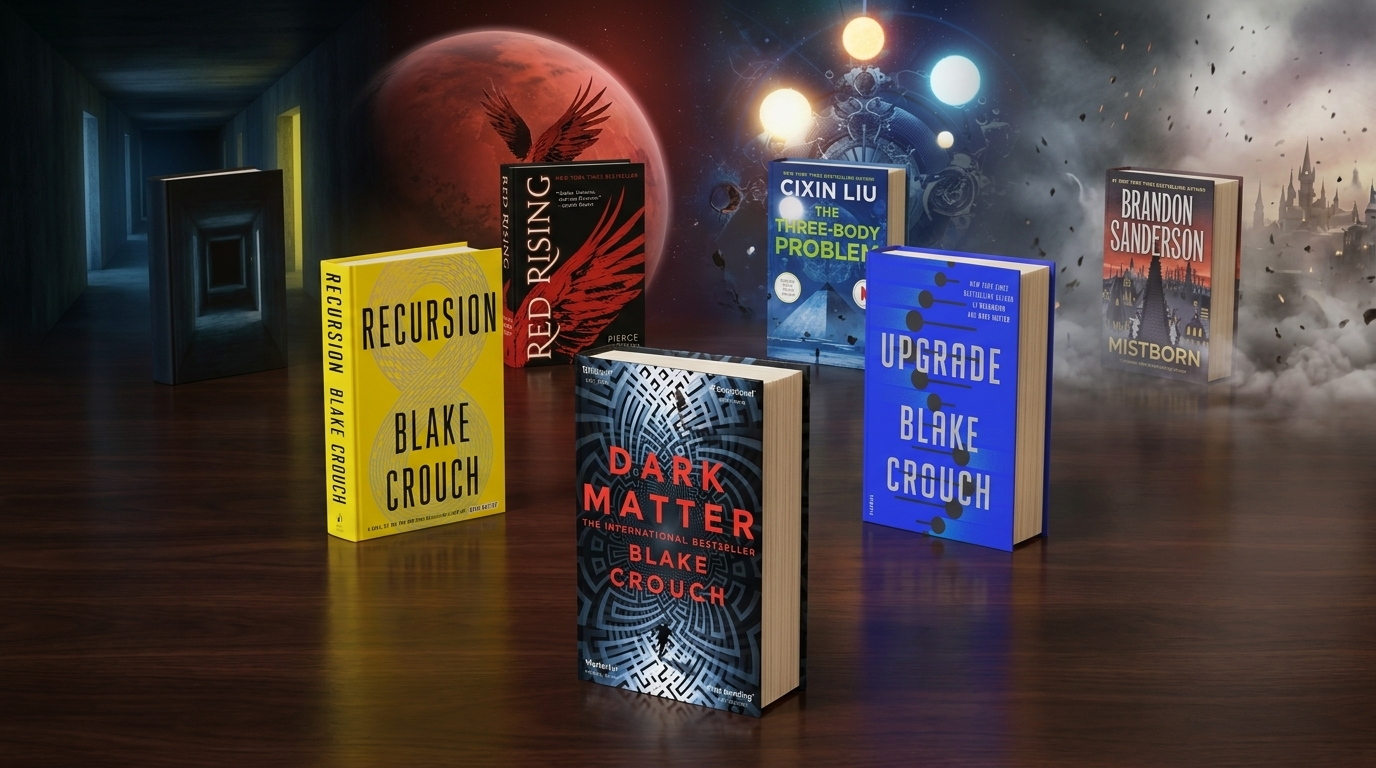
As readers who gravitate towards nonfiction, the world of fiction might seem distant. However, stepping into fiction can be transformative. Here are some practical ways to explore this vibrant realm while still resonating with your interests.
Start by selecting themed fiction that aligns with your nonfiction pursuits. If you enjoy history, look for historical novels that offer depth and narrative to real events. For science enthusiasts, consider speculative fiction that ignites the imagination while staying rooted in scientific principles.
Integrate fiction seamlessly into your life. Engage with stories during your commute or unwind at the end of the day. Audiobooks can be a fantastic way to incorporate narratives while cooking or exercising.
As you delve into fiction, look for community or book clubs where discussions enrich your understanding and appreciation. Remember, fiction allows for exploration of human experience—something nonfiction, despite its valuable insights, often lacks.
For a deeper dive, explore innovative techniques to enhance your reading experience. By embracing these ideas, you may discover a rewarding breadth in your reading journey.
Conclusion: A Balanced Reading Life
A balanced reading life opens doors to a realm of enrichment. Embracing both fiction and nonfiction can enhance understanding and stimulate creativity. Nonfiction feeds the mind with facts, lessons, and insights, while fiction ignites the imagination and nurtures empathy. These genres complement each other, creating a more holistic reading experience.
Exploring fictional worlds allows readers to escape, think critically, and understand different perspectives. It creates emotional connections and provides insights into the human experience. Engaging with various narratives can deepen our comprehension of reality and human behavior.
Diversifying your reading palette nurtures curiosity and adaptability—skills that are invaluable in personal and professional realms. So, take the plunge into fiction and allow it to color your nonfiction journey. A more balanced reading life is inviting you to flourish, so don’t hesitate to let those pages turn! For deeper insight into the importance of a varied reading approach, check this resource.
Conclusion
This enlightening journey reveals that embracing fiction can deepen our understanding of life and enhance our reading experiences. Exploring various perspectives through storytelling enriches our personal and intellectual growth, proving that finding balance in our literary choices is essential. Consider diversifying your reading list and experience this depth yourself.


Comments are closed.